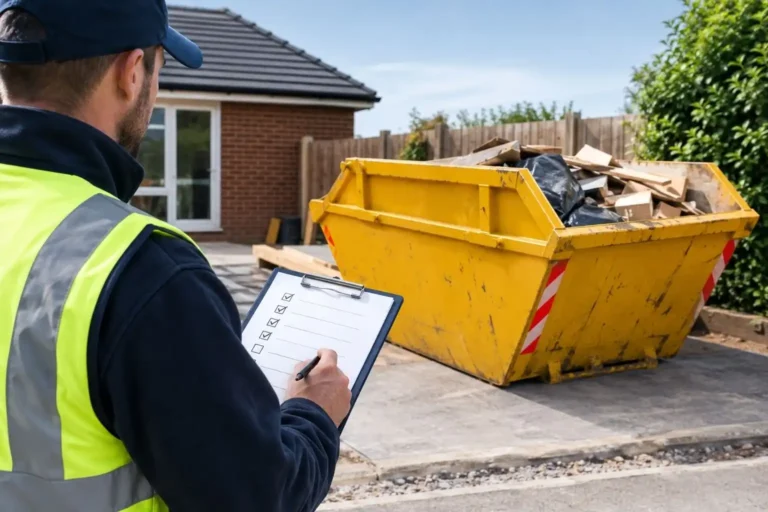
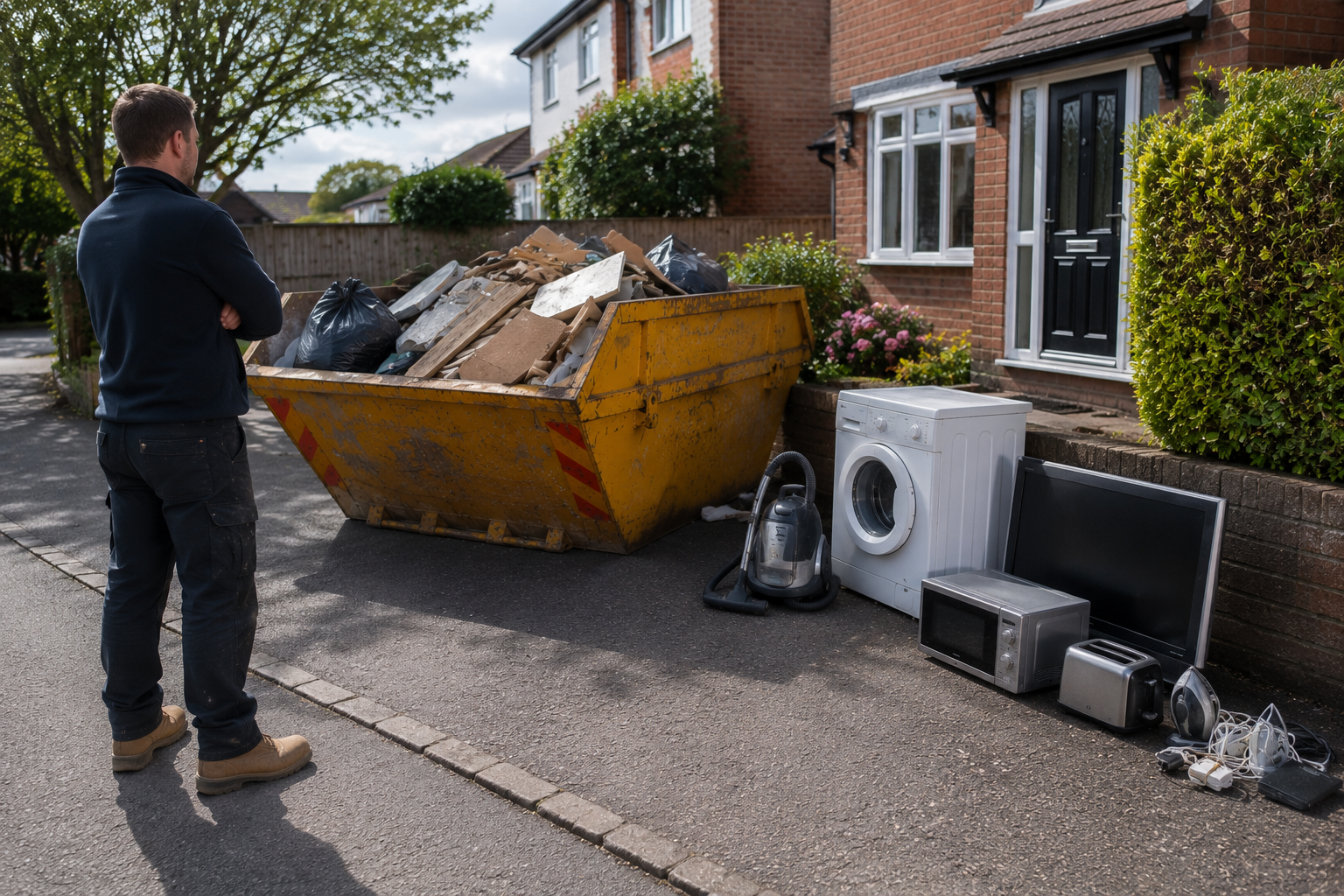
Electrical waste usually ends up being dealt with at the last minute. One minute everything is fine, then suddenly there’s a broken washing machine, an old TV, and a few bits of electrical kit you’ve been meaning to get rid of for ages. Once a skip is on the drive, it feels like the easiest option is to just throw it all in and move on.
That’s where people get caught out. Electrical waste doesn’t fall into the same category as general rubbish, even though it might look like it does. There are specific rules in the UK around how electrical items are handled, mainly due to the materials inside them and how they’re processed after collection. It’s not always obvious, but getting it wrong can slow things down or cause issues when the skip is collected.
What Is Electrical Waste and Why Does It Matter?
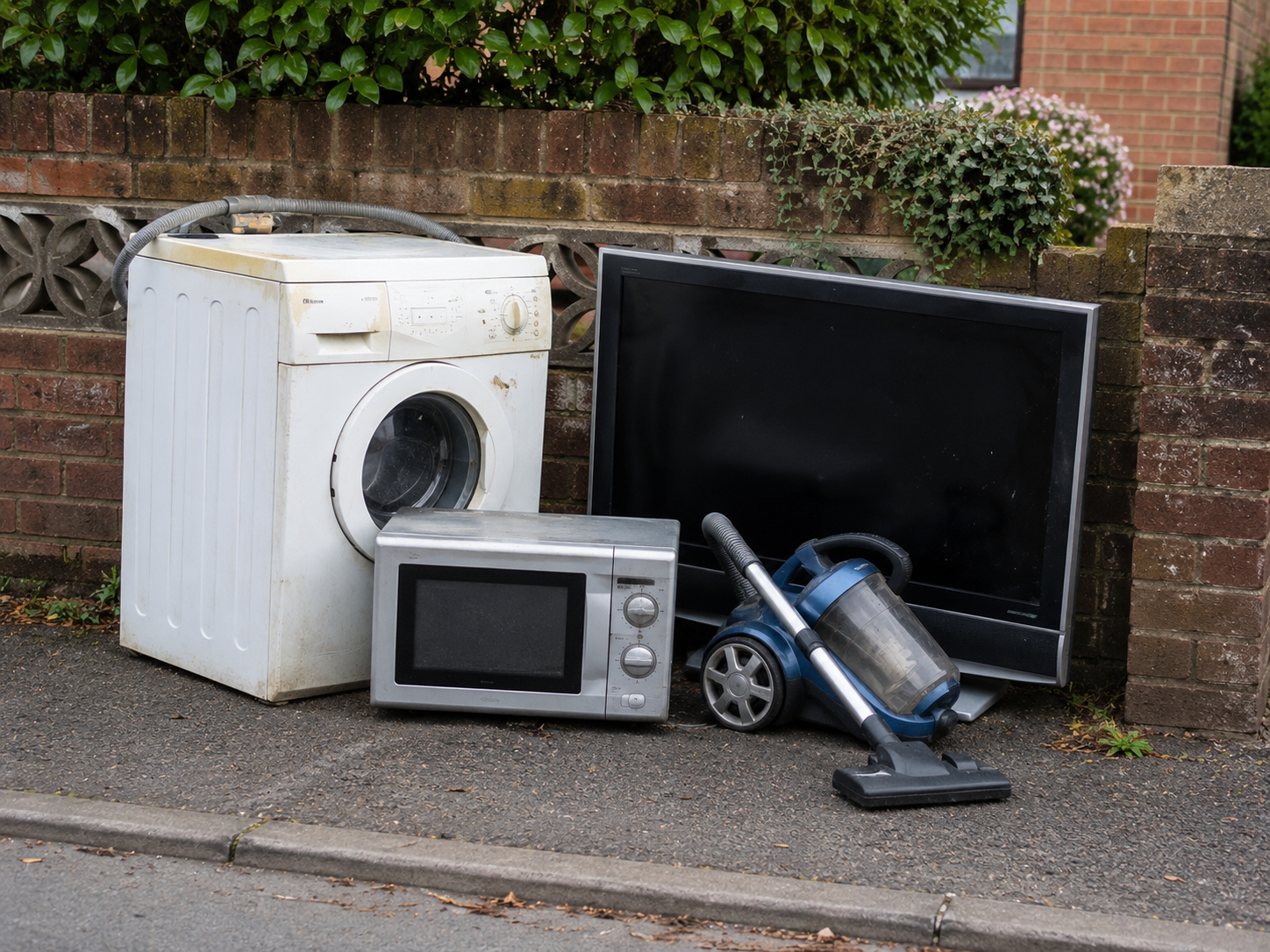
Electrical waste covers more than people expect. Most think straight away of things like washing machines or TVs, but it also includes smaller stuff that tends to get forgotten about. Old vacuum cleaners, broken kettles, chargers, even phones that haven’t been used in years all fall into the same category.
It matters mainly because of what’s inside them. Electrical and electronic equipment isn’t just made up of basic materials. Some parts need to be handled carefully, while others can actually be reused if they go through the right recycling process. That’s why it doesn’t get treated the same as normal household waste, even if it looks like it could just be thrown out with everything else.
Can You Put Electrical Waste in a Skip?
Short answer, most of the time it’s a no. It might seem like the easiest option, especially if you’re already filling a skip with general waste, but electrical waste is treated differently and usually isn’t allowed in standard skip hire.
The main reason comes down to how waste electrical and electronic equipment is handled after collection. It can’t just be tipped in with everything else. It needs separating, processing and, in a lot of cases, proper recycling. If electrical items end up mixed in, it can cause problems further down the line, which is why skip companies tend to be strict about it.
Why Electrical and Electronic Equipment Is Restricted
It mostly comes down to rules that sit behind the scenes. Electrical and electronic equipment falls under what’s known as WEEE, which is just the UK system for dealing with this type of waste properly. It might not be something people think about day to day, but companies handling waste have to follow it.
Some of these items contain parts that are classed as hazardous, even if they don’t look it. Others have materials that can be reused if they’re taken apart the right way. That’s why there are legal obligations around how they’re collected and processed, rather than just being treated like general waste and sent to landfill.
Common Electrical Items People Try to Dispose Of
This is usually where the confusion comes in. Most people know not to throw in something obvious like a fridge, but beyond that it gets a bit unclear. Things like washing machines, TVs and vacuum cleaners are some of the most common items people try to get rid of in a skip.
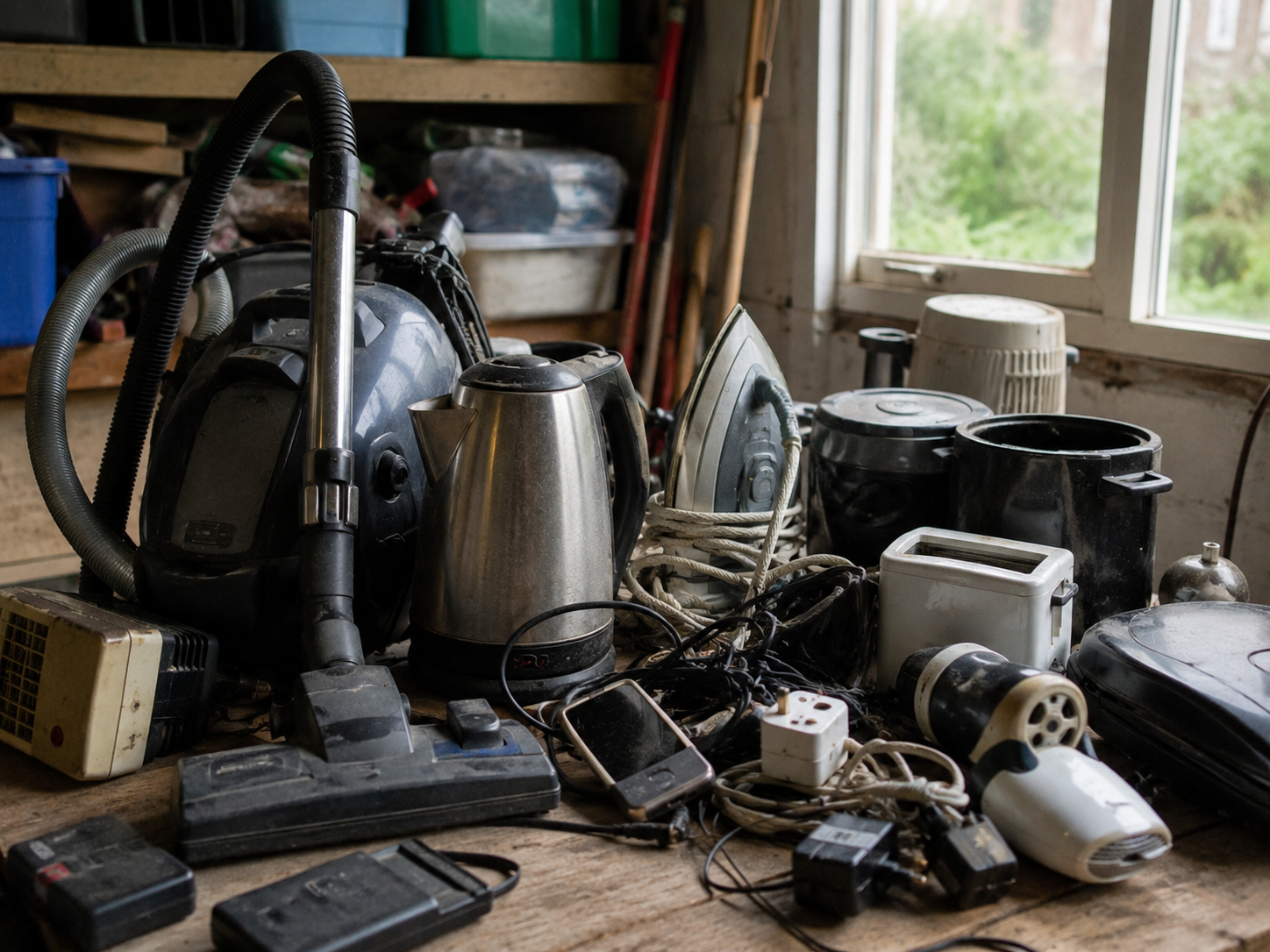
Smaller electrical appliances get overlooked even more. Kettles, old phones, cables, bits of electronics from drawers all tend to end up in the same pile. It doesn’t feel like a big deal at the time, but they’re still classed as electrical items, so they fall under the same rules as larger equipment.
What Happens If You Put Electrical Items in a Skip?
It usually gets flagged when the skip is picked up. Drivers see this sort of thing all the time, so if there are electrical items sitting on top or mixed in, they’ll notice straight away. In some cases, they’ll leave it there until it’s sorted, which can be frustrating if you were expecting it gone that day.
Other times it still gets taken, but it can cost more afterwards. The waste has to be separated and handled properly, so there’s extra work involved. It’s one of those situations where it seems easier at the time to just throw everything in, but it often ends up being more hassle than it’s worth.
How to Dispose of Electrical Waste Properly
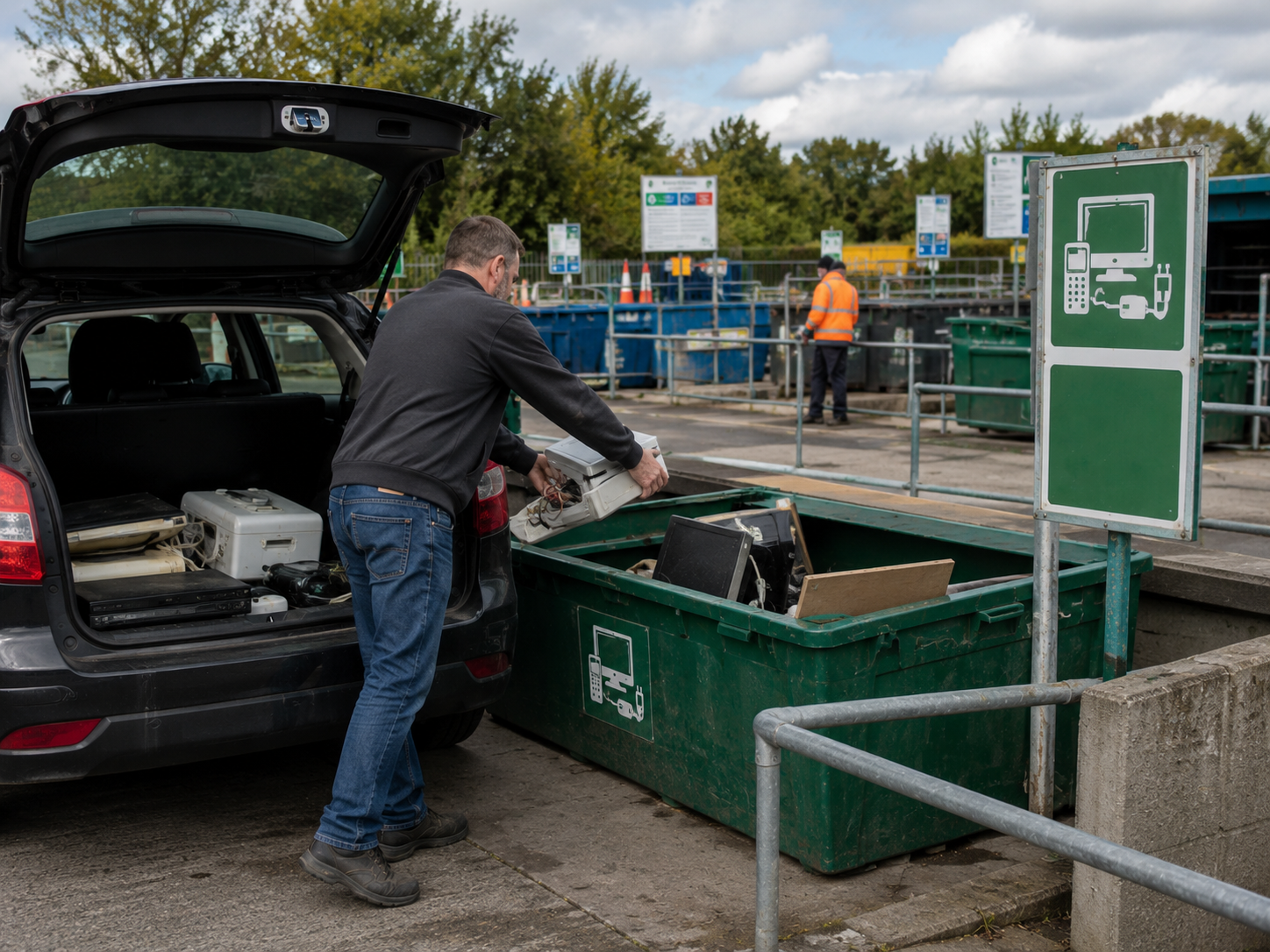
The easiest way is usually your local recycling centre. Most areas have household waste recycling centres that take electrical items, and a lot of them don’t charge for it. You just turn up, drop it off in the right section, and that’s it sorted without much effort.
There are other options as well. Some retailers will take an old appliance when you buy a new one, and in certain cases you can arrange a collection through your local council. It depends on the item and where you are, but either way it’s usually straightforward once you know where to take it.
Are There Any Exceptions or Specialist Services?
There are a few situations where things work a bit differently. Some jobs involve a mix of waste, especially on larger sites, and in those cases electrical waste might be dealt with separately rather than being mixed into one skip. It’s not something most people come across at home, but it does happen.
For general use, it usually comes down to sorting things before the skip arrives. If there are electrical items to get rid of, it’s often easier to arrange a separate collection or take them elsewhere. It keeps everything simple and avoids having to deal with it later on.
Electrical Waste and Environmental Responsibility
It’s easy to think it all ends up in the same place, but that’s not really how it works. A lot of electrical waste can actually be broken down and reused, which is why recycling plays such a big part in how it’s handled. Metals, plastics and other materials can be recovered instead of being lost in landfill.
There’s also the environmental side to think about. Some parts inside electricals aren’t great if they’re left to break down naturally, so keeping them out of general waste helps reduce the impact. It’s one of those things that doesn’t take much extra effort but makes a difference overall.
Planning Your Skip Hire the Right Way
It usually helps to think ahead before the skip turns up. Once it’s there, everything tends to get thrown in quickly just to get the job done. Taking a bit of time beforehand to separate out electrical items can save a lot of back and forth later.
It also makes better use of the space. If the skip is filled with the right type of waste from the start, there’s no need to pull things out or rearrange it. It keeps the whole process smoother and avoids any delays when it comes to collection.
Need Help with Electrical Waste and Skip Hire?
If you’re unsure about what to do with certain items, it’s always easier to check first rather than deal with it afterwards. Every job is slightly different, and a quick bit of advice can stop small issues turning into bigger ones.
If you’re booking skip hire and want everything handled properly, get in touch with Horrocks. We can help you work out what goes where, arrange the right service, and make sure the whole process runs as it should from start to finish.