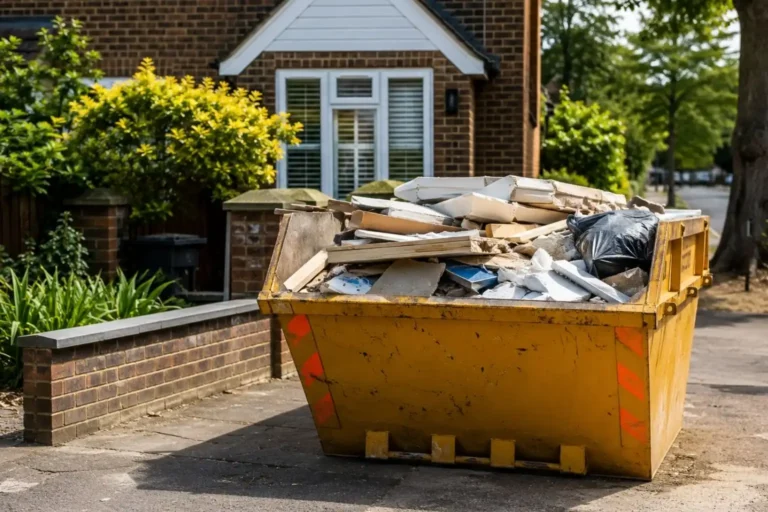
Manchester’s council bin system works well when used as intended, but council rubbish removal in Manchester is designed strictly for predictable, everyday household waste. The service operates efficiently when residents understand the bin rules and stick to the correct collection schedules. Once waste falls outside normal domestic use, however, the system quickly reaches its limits, which is where many collection problems begin.
Problems arise when the waste doesn’t fit the “normal household” category. Every household has occasion to do home renovations, garden clearances, spring cleaning or house moves. All lead to excess waste generation. Suddenly, you realise that your waste has no place in the council bin system.
Bins get refused. Bulky bookings have long waiting times. Items are left behind, and many residents don’t realise that putting the wrong waste into a council bin can even lead to enforcement action. This is where confusion, frustration, and piles of rubbish on driveways and pavements start.
In this guide, we’ll explain how the system works, what the council will and won’t take, the limits on bulky waste removal, and what to do with your excess waste. Once you understand the system’s limits, you can choose the right waste removal option before you start your project.
How Manchester Rubbish Collection Works
The council rubbish removal in Manchester works well for routine household waste. Based on kerbside bin collection, the system is designed to handle the everyday waste produced in the average home. The system was never designed for spring cleaning, renovations, or large garden clearances, so problems arise under these circumstances.
Knowledge of council collection starts with an understanding of the multi-bin mechanism at the heart of the system.
The Bin System: What the Council Will Take
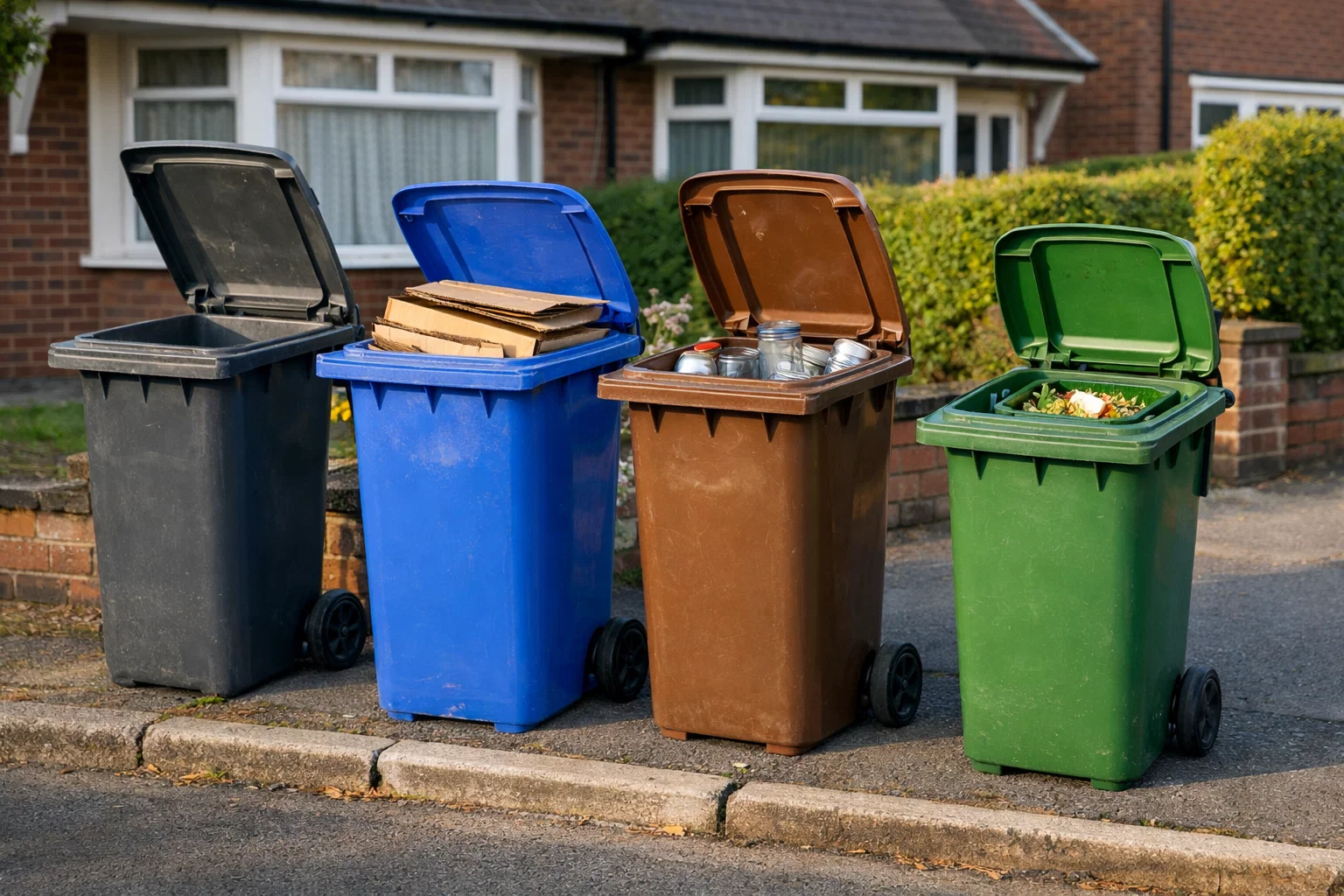
All Manchester homes receive four waste bins. Individual councils manage the collection schedules. Householders must understand how the bin system and recycling work, as the local council can refuse to collect bins containing contaminated waste or the wrong materials. Residents must place the bins in the designated spots to ensure upliftment.
Grey Bins
Grey bins are for general waste and non-recyclable items. Items unsuitable for recycling include nappies, film, bubble pack, polystyrene and carrier bags. Some items, like batteries and old appliances, have no place in any of the bins. If you are unsure about whether the item you’re discarding is recyclable, you can find it on this list.
The council recently slimmed the grey bins down to encourage residents to recycle more of their junk. Do not overfill the bins, or the council will not uplift them.
Brown Bins
Use brown bins for glass, metal and rigid plastics. Acceptable items include glass jars and bottles, metal and plastic bottles, trays and tubs, foil trays, tins, and cans. Clean all containers before placing them in the bins. Do not place carrier bags, animal feed bags or plastic film in this bin.
Blue Bins
Place cardboard and paper, including books, cartons, newspapers, etc., into the blue bins. Crush all cartons to fit larger quantities into the bin.
Green Bins
Green bins are meant for food and garden waste materials. Order compostable bags from the council for food waste. Once you have your first set of bags, you can order more bags by attaching the tag found at the end of the bag to your wheelie bin. You can also collect bags from your nearest public library.
Recycling Rules Matter
Most waste-collection problems occur because residents don’t understand the recycling rules. Items must be clean, dry and loosely packed (not bagged). All bins must contain the correct materials. The council can attach a notice and refuse to collect a bin that contains the incorrect materials.
Manchester Waste Collection Limits
The system works very well for normal household living, but it has strict limits. You may not leave waste in bags or boxes beside the bins, and you may not throw heavy materials like soil or rubble into the bins.
There is no allowance for large amounts of garden waste, and unless you have made special arrangements, the council will not remove bulky items. Council collections work well for predictable, lightweight domestic waste, not irregular or heavy loads.
Pre-Booked Bulky Household Items
Manchester City Council offers a bulky item collection service, but you must book it in advance. Bulk collection is suitable for old furniture and large appliances. The council limits the number of items per booking. You will wait until there is an opening for collection. Some items carry a charge.
What the Council Will NOT Take in Your Bins
As we have seen, Manchester’s bin system works well for daily household waste, but not so much when you take on a project or decide to clear out your garden or home. In these circumstances, you may have difficulty clearing waste as it occurs. This is because there are so many items that will not find a place in your household or recycling bins.
DIY, Renovation and Construction Project Waste
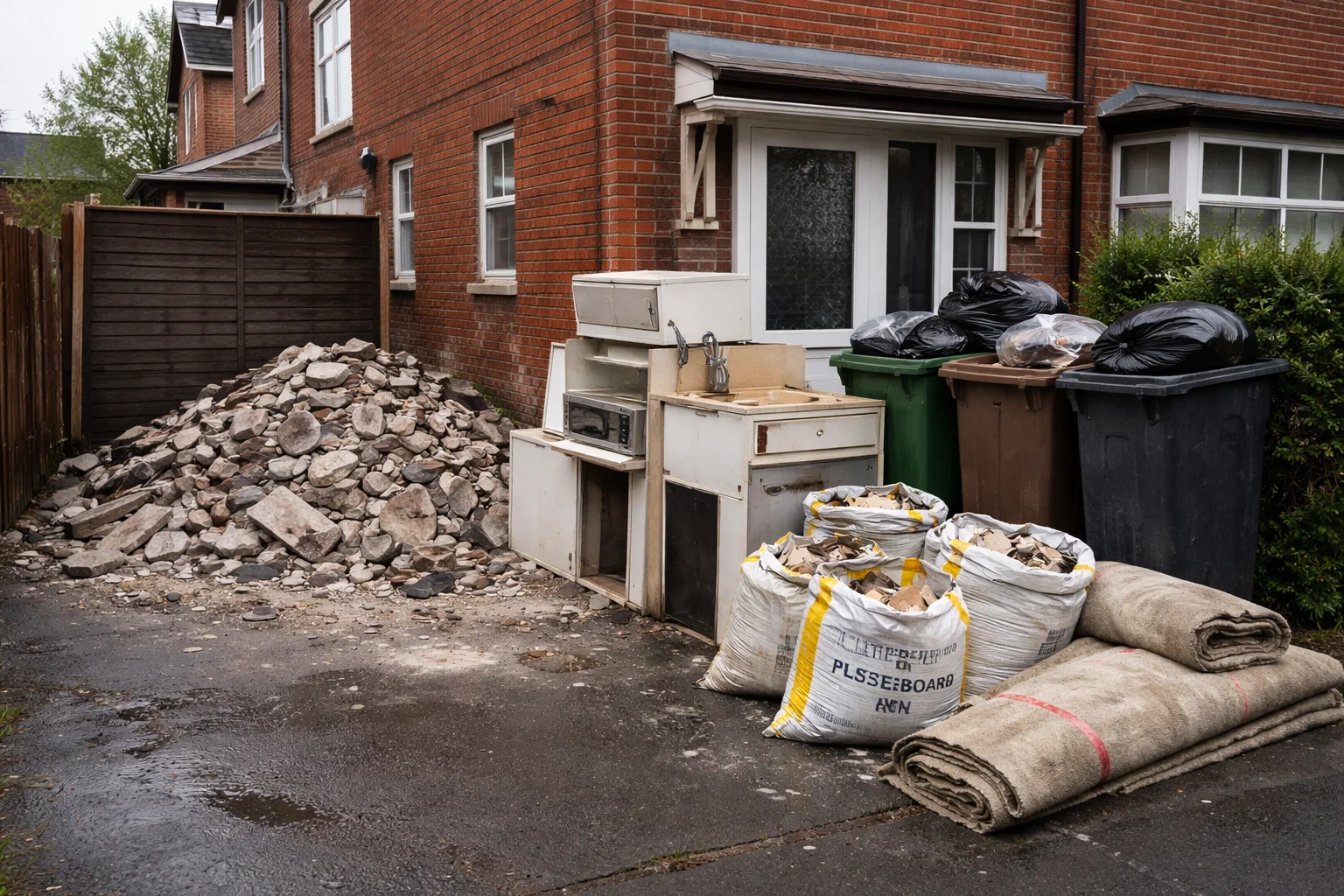
Any waste generated when you repair or upgrade your home is not normal household waste. These include:
- Rubble, bricks, tiles, wood and plasterboard
- Old kitchens and bathrooms
- Carpets and underlay
- Building material packaging
Soil, Turf and Landscaping Waste
Don’t bank on your garden bin for landscaping tasks. These bins are for garden maintenance only. The council will not take:
- Soil and clay
- Turf
- Large branches and tree stumps
- Fence panels and decking
- Shed clearances
These bulky materials are heavy and fall outside the scope of garden collections.
Electrical Items, Batteries and Hazardous Materials
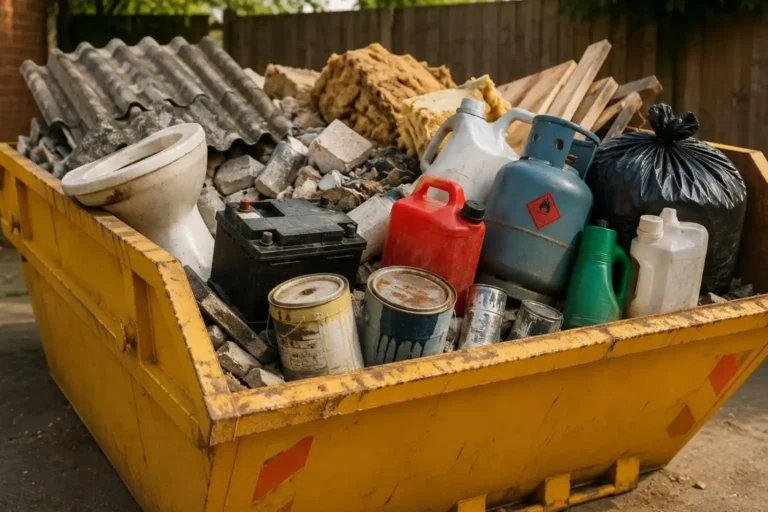
Batteries, hazardous materials and electrical equipment need specialist handling and do not belong in the council bin system. You’ll need to find an alternative waste disposal system for the following prohibited items:
- Small appliances like kettles, irons and microwaves
- Electronic equipment like TVs, monitors and computer cables
- Batteries of any kind
- Paint tins, chemicals, oils
- Gas canisters
These items pose fire, contamination, and safety risks in refuse vehicles.
Large Quantities of Cardboard or Packaging
After moving house, buying furniture, or receiving large deliveries, people often try to force oversized cardboard into recycling bins. If the lid doesn’t close, the council won’t collect it.
Furniture and Bulky Waste
Sofas, wardrobes, mattresses, and large items are not bin waste. These must be booked as bulky collections or removed privately.
Trade or Business Waste Disposal
Trade or business waste is one of the biggest reasons that the council takes enforcement action. The council will not accept the following items in the household trash system. They are legally classed as commercial waste.
- Waste from home businesses
- Packaging from e-commerce
- Tools, materials, or stock waste
- Any waste linked to paid work at the property
Why Bins Get Left Behind
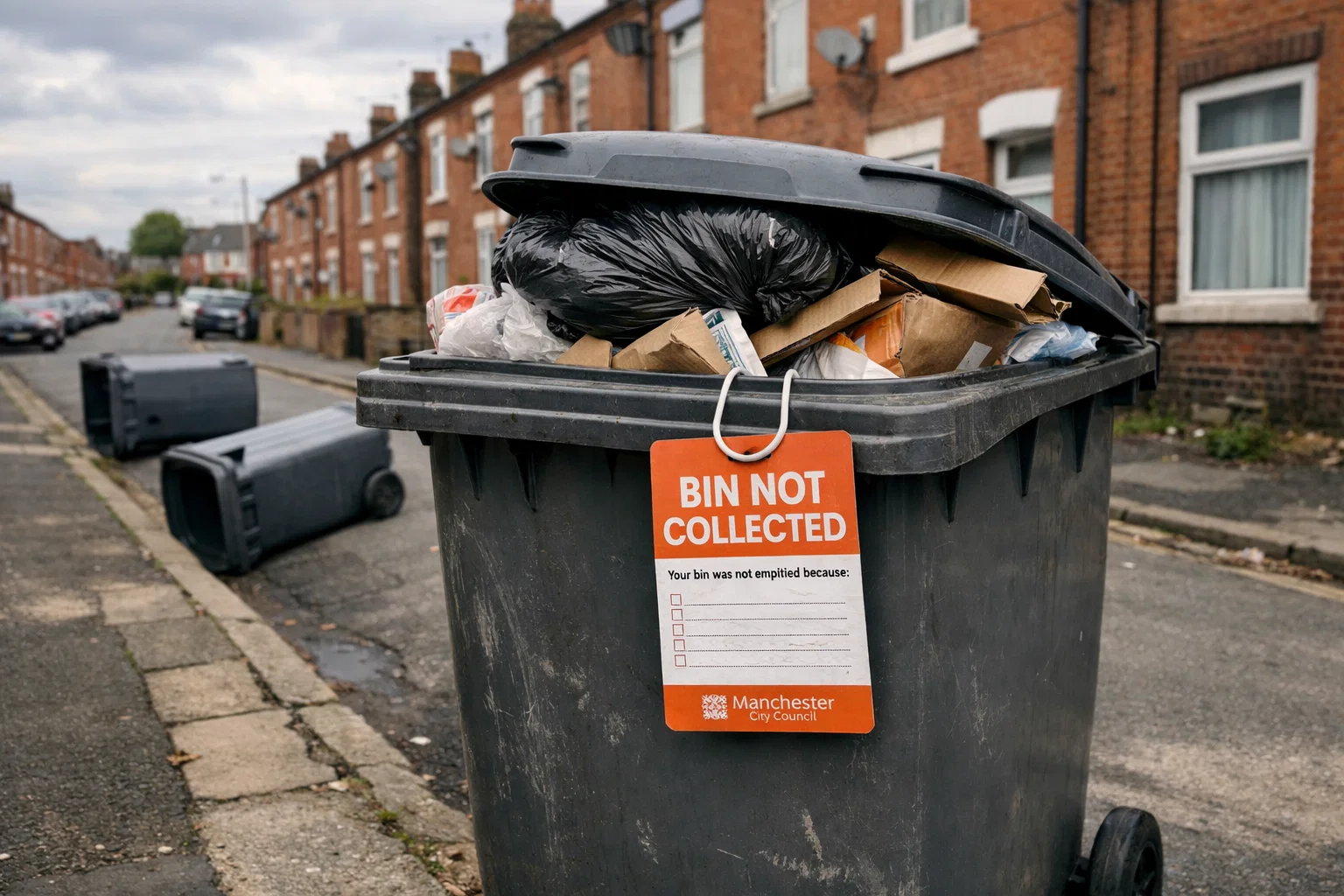
Most missed collections are not errors. They’re preventable issues that breach council rules, triggering an automatic refusal. Refusal reasons include:
The Lid Not Closing
If the lid is even slightly raised, waste removal will not empty it. Overfilled bins are a safety risk when lifted. Loose bags can fall out, and extra weight can damage equipment.
The Bins Containing the Wrong Items
Residents often contaminate recycling bins with plastic bags and film, unclean food packaging, polystyrene and general garbage. If the waste crews were to take the contaminated bins, they would risk spoiling the entire truckload.
Bins With Heavy Waste
If bins are too heavy to lift safely, they will be left unemptied. Do not place rubble, soil, tiles or wet waste into the bins.
Bins Placed Incorrectly
Place bins at the kerbside facing the correct direction on or before the collection time. Any obstructions, like incorrectly parked vehicles that prevent access, will result in unemptied bins.
Side Waste and Extra Bags
Bags left next to the bin will not be collected.
Suspected Trade Waste
If crews suspect the waste is from building work, renovations or a business, they may report it and refuse collection.
Limits of Council Bulky Waste Collection
Council bulk waste collection is limited and only meant for the occasional large household item. They’re not designed to clear the debris from renovations, garden projects, or major decluttering exercises. Many residents don’t understand these limits until they book a collection and find half their items still on the pavement at the end of the day.
Here’s where the problems usually start.
Limits on What Counts as “Bulky”
Bulky collection covers items of household furniture. Large appliances like fridges and stoves, and small volumes of other household goods.
Bulky collection does not cover construction debris such as plasterboard, bricks, tiles, and rubble. You can’t rely on bulky collections for the removal of landscaping waste, wood, or large volumes of mixed waste from a general clean-out.
If the waste appears to have come from a project rather than everyday living, the council is likely to refuse it.
Quantity Limits
Councils restrict bulky collection bookings to a set number of items per collection. If you have more, you must book and pay again, or wait for another available slot. The waiting can become very frustrating as waste accumulates when you move, renovate your home, or groom your garden.
Long Waiting Times
Waiting times can stretch into weeks, especially in busy periods. During that time, you must store the junk on your property or on the pavement where allowed. You must navigate around the clutter and any complaints from the neighbours.
Inflexible Loads
Council services don’t sort mixed bulky waste. If your pile includes items they don’t accept, they may leave the whole lot behind.
Access and Handling Restrictions
Items booked for bulky collection must be easily accessible. They must be safe to lift and free of contamination from other waste. If crews consider an item unsafe or unsuitable, they won’t take it.

What to Do Instead: Practical Alternatives
Council bulky collection works best for one or two unwanted household items. Manchester residents must find alternatives if they need to dispose of unsuitable garbage. They may also seek alternatives if they are unwilling to wait.
These are the practical options most Manchester residents and businesses turn to.
Skip Hire for Renovations, Clear-Outs, and Garden Projects
If you’re producing waste over several days, a yard skip is usually the simplest, most efficient, and cost-effective way to remove it. Hiring a skip allows you to plan waste removal ahead of the project. This means that you or the hired project team has a skip to dispose of waste from the get-go, keeping your premises safe and clean.
Construction waste, in particular, is a safety hazard and should not be left lying around the premises. With a skip, you can load the waste immediately and arrange a collection date to suit your schedule. You don’t have to wait for a timeslot to come up. The skip company will collect the waste when the skip fills up and deliver another if you need it. Skips take mixed waste types, and you can choose the skip size to match the job. A professional skip company will obtain all the necessary permits.
If you don’t have a driveway in which to place the skip, a licensed provider can arrange a public road skip permit to safely place the skip outside your premises.
Man and Van Waste Clearance for Quick Removals
If you have a smaller load to move quickly, you can hire a man-and-van clearance service. This service works best for:
- Furniture and appliances
- Bagged clear-out waste from a clear-out
- Items the council refused
- End-of-tenancy or house move waste
This same-day or next-day service will lift and load for you. This service is ideal for awkward or mixed load items.
Wait-and-Load (No Skip Left on Site)
Some properties don’t have space for a skip, or there are restrictions that prevent skips from being left outside. A wait-and-load service solves this and works well for:
- Narrow streets
- Flats and terraced housing
- Quick rubble or waste removal
The vehicle arrives, you load, and it leaves. There is no permit and no skip parked outside.
Specialist Collection for Soil, Rubble, and Heavy Waste
Council services always fall short when it comes to heavy waste removal. Professional waste carriers can take this waste. These waste streams include soil, bricks, concrete and dense construction waste.
Regular Collections for Ongoing Waste
For landlords, small businesses, or properties under refurbishment, hiring skips with scheduled collections prevents rubbish from building up. Scheduled pick-ups ensure that the site remains clean and compliant.
Commercial Waste
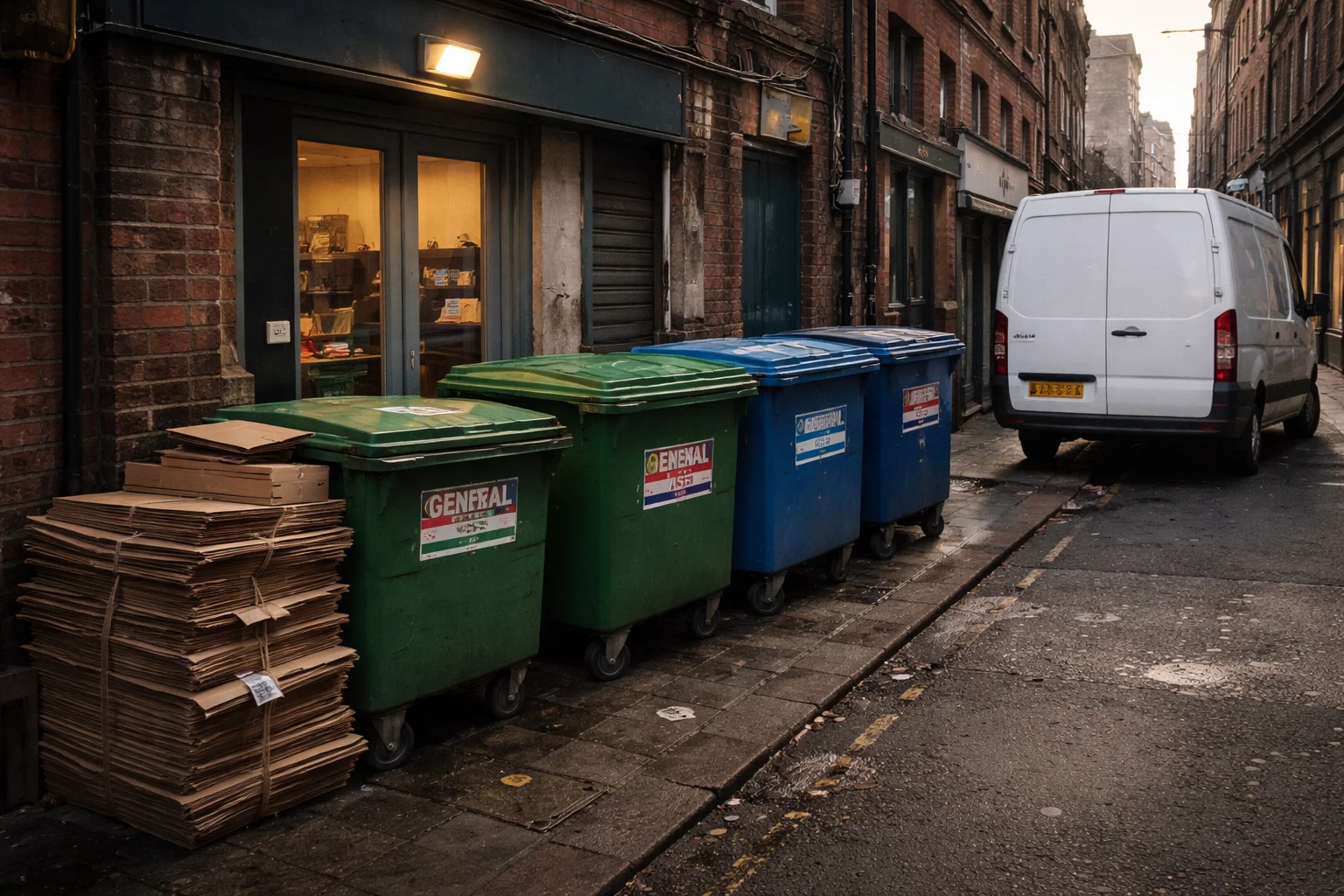
A common misunderstanding in Manchester is that if the waste comes from your property, the council must take it. That’s not true. If a business activity has generated the waste, you may not put it into household council bins or rely on domestic collections for disposal.
This rule applies even if you run a business from home, you’re a landlord clearing a property between tenants, or you’re a tradesperson doing a domestic repair.
In all these cases, the waste is considered commercial waste under UK law. It doesn’t matter whether the waste looks like normal household waste. What matters is how it was produced.
Your Legal Duty of Care
Under UK waste regulations, every business has a Duty of Care for its waste. Accordingly, you must:
- Safely store waste
- Use a licensed waste carrier to dispose of it
- Keep Waste Transfer Notes
- Ensure that the waste is correctly disposed of
If your waste is fly-tipped and traced back to you, you are responsible, even if someone else took it away.
Manchester council enforcement teams actively look for trade waste in domestic bins and excess waste beside bins. Fines, warnings, and enforcement action are common, especially in mixed residential–commercial areas.
Commercial Waste Disposal
Firms must arrange for bins or skips. They must partner with a registered waste contractor to collect the waste on a schedule that matches the waste output. All collections must be documented.
Using a professional service provider is a crucial requirement that can protect you from legal action, fines and possible brand damage.
Hire a Skip to Solve Your Waste Problem
Hired skips solve many of Manchester’s bulk waste removal problems. Consider the following scenarios:
Home Renovations Create the Wrong Type of Waste for Bins
Rip out a bathroom, lift old flooring, remove a kitchen, or knock down a stud wall, and you’ll quickly find out that rubble doesn’t belong in any bin. A skip will deal with all that waste in one convenient place, and you can take your time. You don’t have to worry about whether the waste fits into the council limits.
The Garden Waste From a Landscape Project Won’t Fit Into the Green Bin
The green bin is designed for grass cutting, leaves and hedge trimmings. A garden project will produce much more debris than will fit into your green bin, but it will fit into the right-size skip.
House Clearances Overwhelm Wheelie Bins
Clearing a loft, garage, or an entire house generates bulk waste, including bags of old junk, broken appliances, and unused furniture. You could wait weeks booking bulky collections, or make multiple trips to the tip. Or you can load it into a skip in a single weekend and be done.
You Work at Your Own Pace
One of the biggest advantages of hiring a skip is that you can work at your own pace. You don’t have to rush to meet collection days or store waste around your home until the collection day comes around. You clear the rubbish as you go.
No Confusion About Where Things Go
Residents find second-guessing the council bins frustrating. They often don’t know whether the council will refuse items or whether the items are recyclable. Everything can go into the hired skip because the waste provider will sort it at the licensed premises.
Local Skip Hire Often Works Out Cheaper Than You Think
When you factor in time spent driving to the tip, fuel costs, the wait for bulky bookings and the hassle of refused bins, skip hire is simpler and more cost-effective.
Hiring a Horrocks skip is quick and easy. Skip hire prices depend on the size you choose. Horrocks has a range of sizes to fit every project, and our friendly team will schedule deliveries and collections to suit your timetable and location. Book online and pay competitive prices for a complete skip hire and disposal service.