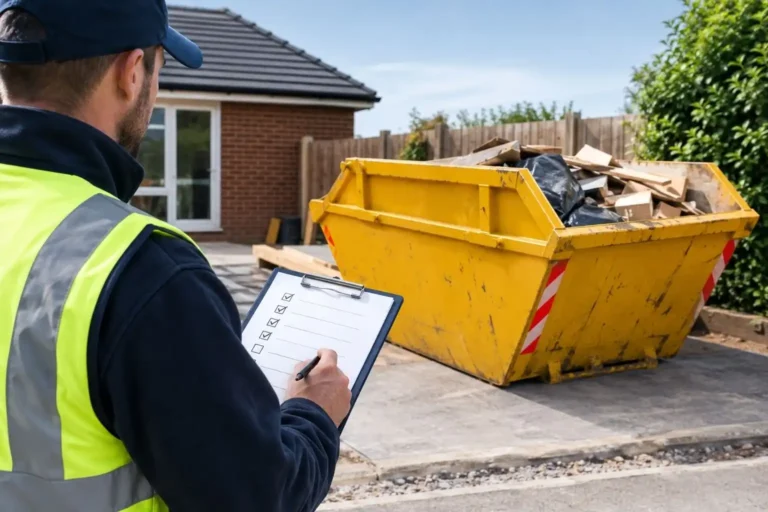
Construction waste in the UK is changing fast and for those working on-site every day, the rules are no longer as relaxed as they once were. Whether you’re dealing with skip hire, site segregation, or new reporting requirements, how you handle construction site waste can affect your legal compliance, client relationships and your bottom line. For builders, contractors and developers, understanding the changes in construction waste management is no longer optional – it’s essential.
Across the country, the expectations around waste management practices have risen sharply. Clients want transparency, regulators want traceability and the public wants to see a sustainable construction industry doing its bit. Here’s what builders need to know right now to stay ahead of the curve.

Site Waste Rules Have Tightened Across Construction Projects
For anyone working on commercial or large-scale residential builds, there’s no avoiding the increased focus on construction site waste. Planning authorities and developers alike now expect waste to be sorted, tracked and minimised as part of standard operations. Even on smaller jobs, questions are being asked about how builders minimise waste and document where it goes.
Site Waste Management Plans (SWMPs) may not be a legal requirement anymore, but they’re back on the radar for many contractors. The larger the build, the more likely it is you’ll be asked to provide a clear breakdown of your waste management approach. Failing to do so could cost you the job, particularly when competing for government or commercial contracts.
Builders who are still using mixed skips for everything may find themselves falling behind. On many projects, you’re now expected to provide regular reports on waste produced, including how much was recycled and how much went to landfill. That level of detail is fast becoming standard.
Gypsum and Plasterboard Must Be Handled Separately
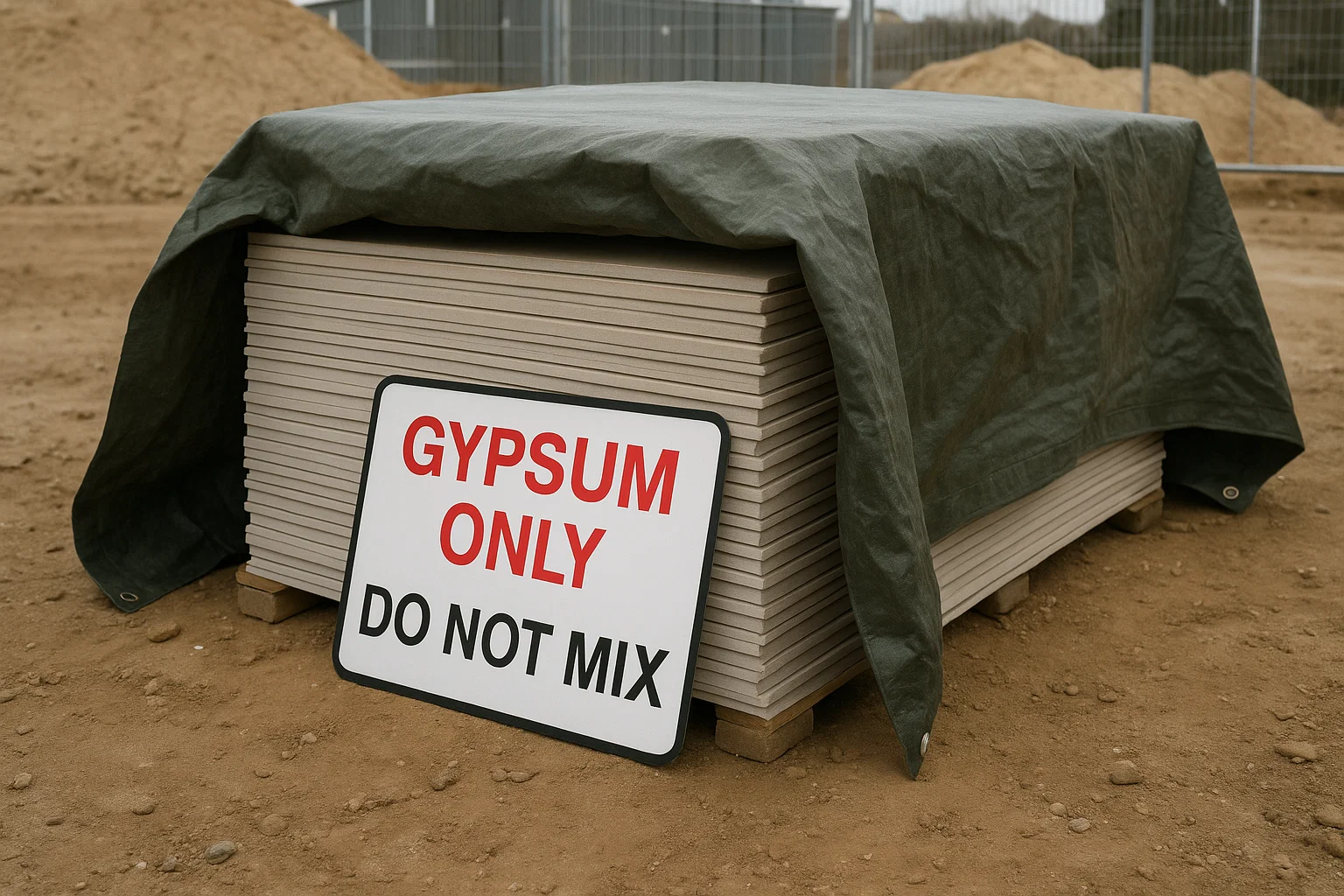
One of the most critical updates in construction waste rules involves gypsum, commonly found in plasterboard. When mixed with biodegradable materials, it can produce hazardous gases that pose health and environmental risks. That’s why it’s now classed as a form of hazardous waste when improperly disposed of.
From 2025 onward, you’ll struggle to find a licensed waste carrier willing to accept plasterboard in a general skip. The only acceptable approach is to separate it on-site and label it clearly for collection. Waste carriers have made this rule non-negotiable, as their own facilities are under pressure to meet strict environmental regulations.
There’s more to it than just rules, by correctly disposing of gypsum you show your client that you’re taking responsibility for your waste materials. That makes your business more attractive in a market where responsible disposal is seen as part of the service.

Hazardous Waste Monitoring Has Increased
Hazardous waste doesn’t just mean asbestos or chemical drums. On a typical construction site, it could include spent sealants, adhesive containers, paint tins, mastic tubes, treated wood and even some insulation boards. These materials often end up in the wrong skip simply because no one on site knows better.
The construction industry has come under scrutiny recently for poor documentation and a lack of awareness around hazardous disposal. The Environment Agency has ramped up inspections, especially on projects in urban areas where contamination risk is higher.
If you’re caught mishandling hazardous waste, the penalties are serious. Builders may be liable even if the waste was passed to someone else. That’s why it’s crucial to work with a registered waste carrier who will issue a waste transfer note and handle each item in accordance with UK regulations.

Construction and Demolition Waste Must Be Segregated On-Site
As the focus on sustainability intensifies, segregation of construction and demolition waste has become a central theme. It’s no longer good enough to treat everything as mixed waste. Clients now want to know how much metal, timber, brick, concrete and plasterboard your project is producing and where it ends up.
Segregating construction materials on-site makes this possible. It also saves money, especially when carriers offer reduced rates for clean loads. That’s particularly true for demolition waste, which can often be crushed and reused as hardcore if handled properly. With the price of aggregate rising, many contractors are starting to see this as a real opportunity.
Even if you’re running a small team or overseeing local domestic builds, the same principles apply. If you’re not already separating waste into distinct streams, now’s the time to start. Many builders report that once the system is in place, it actually speeds things up and reduces complaints about messy or unsafe sites.

Clients Are Demanding Waste Reporting and Traceability
A growing number of clients, particularly in commercial development and local government, want full visibility into the waste produced on their projects. They’re not just interested in how much went into the skip, they want figures on recycling rates, CO2 impact and landfill diversion percentages.
Some local authorities and large developers now require waste data as part of project close-out. If your waste carrier can’t supply it, your team may be left scrambling for paperwork or explanations at the eleventh hour.
Builders that can present organised data, complete with copies of each waste transfer note, are finding it easier to pass audits and win repeat work. It’s not just about avoiding fines, it’s about proving that your team operates to a professional standard in every area, including waste management.

Waste Carriers Must Be Licensed and Reliable
Whether you’re running a major development or a modest extension, you are legally responsible for what happens to your construction waste once it leaves the site. That means verifying that your waste partner is licensed, insured and compliant with environmental law.
Hiring unlicensed waste carriers remains one of the fastest routes to prosecution under the Duty of Care legislation. Fly-tipping incidents linked to construction site waste are rising again and in many cases, local councils are tracing the materials back to the original contractor.
To avoid risk, builders are increasingly forming ongoing partnerships with trusted waste firms. These providers not only handle the logistics but also offer detailed records of every collection, making it easy to provide proof of compliance. With many councils cracking down, this is now seen as an essential part of project planning.
Onsite Recycling Equipment Is Improving Access and Affordability
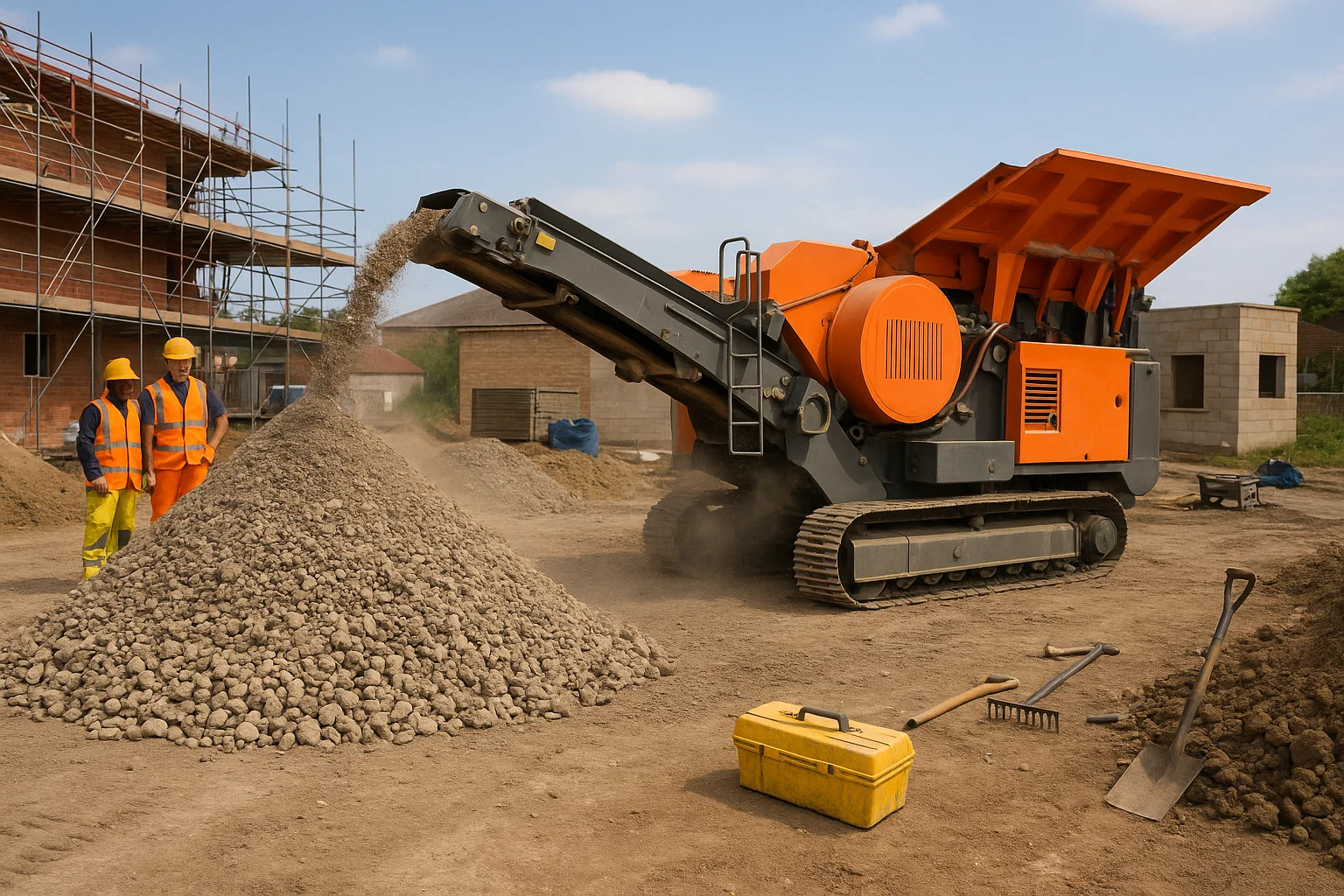
A few years ago, recycling equipment was seen as a luxury, only worth the investment on large new builds or commercial developments, that’s no longer the case. Affordable, mobile recycling units have opened the door for all kinds of construction projects to process waste materials on site.
Builders can now crush brick and concrete, shred timber, or screen soil for reuse without relying on off-site processing. These tools help reduce waste volume, lower skip hire costs and improve a project’s sustainability profile. In many cases, recycled material can be reused within the build, which cuts down on deliveries and associated emissions.
This development has opened up opportunities across the construction industry, especially for mid-sized firms aiming to boost their green credentials without overhauling their entire operation.

Better Waste Management Is a Business Advantage
Builders who take waste management seriously aren’t just avoiding problems they’re actively improving their businesses. Smarter disposal leads to lower costs, fewer legal risks and more wins in competitive tenders.
Clients are paying attention and they want to work with builders who can minimise waste, show commitment to sustainable practices and provide clear documentation. By embedding these principles into your everyday process, you move away from reactive problem-solving and towards proactive, scalable operations.
The shift in expectations around construction waste has already happened. Those still treating it as an afterthought are being left behind. Those who get ahead of it are positioning themselves as leaders in a sustainable construction industry.
Moving Forward with Smarter Waste Practices
If you’re still handling your construction site waste the same way you were five years ago, now’s the time to rethink your process. The industry has moved on, clients expect traceability, regulators expect compliance and waste firms expect sorted loads and clean records.
Start by reviewing your site setup. Make sure you are separating construction and demolition waste properly and that you have access to a reliable, licensed waste partner. For any more information don’t hesitate to get in touch with Horrocks Waste Management today.